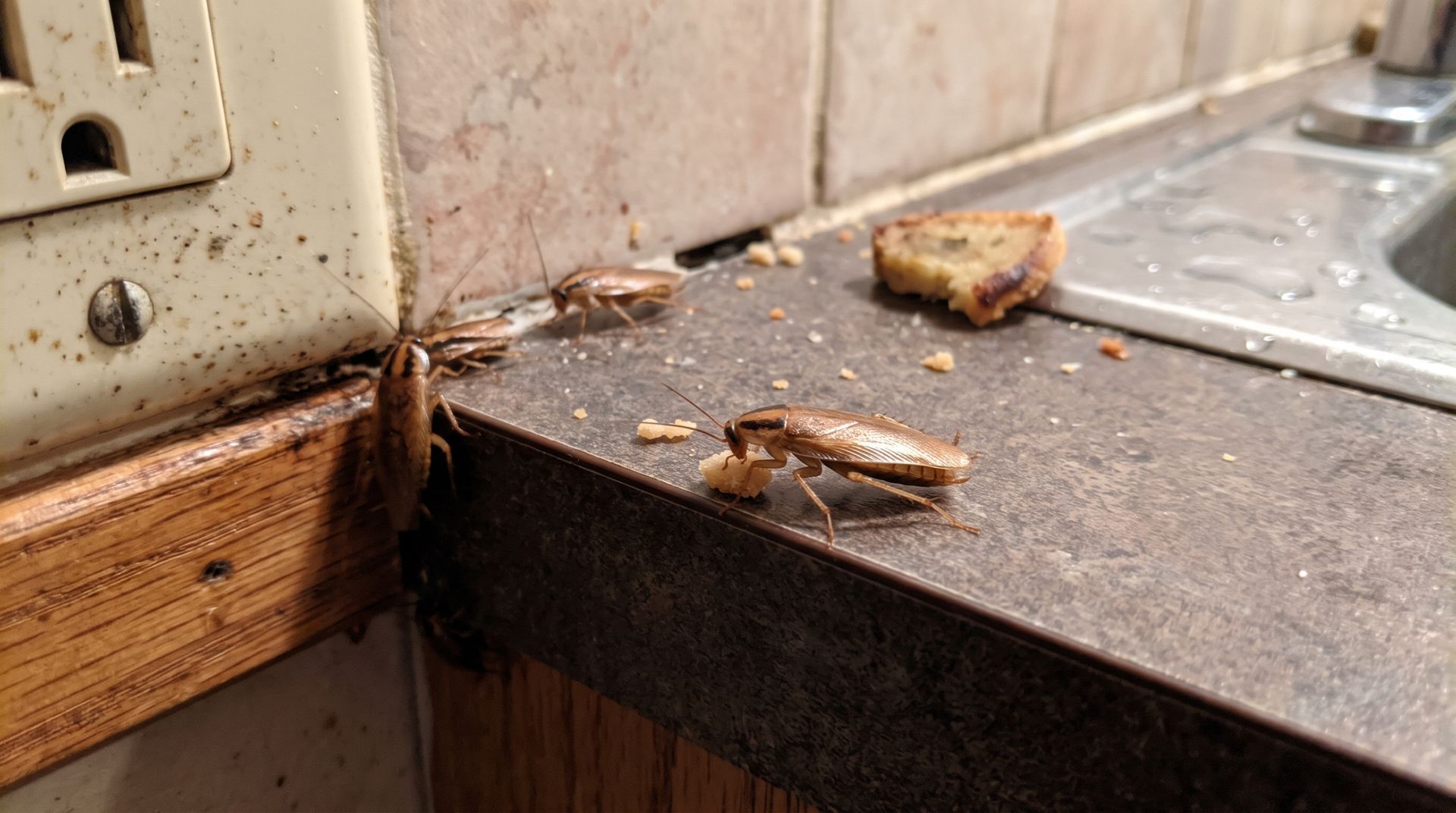
Why Rodents Invade Texas Homes During Winter
Rodents invade Texas homes during winter because they need reliable shelter, food, and protected nesting areas. Even though Southeast Texas experiences relatively mild winters, cooler temperatures and changing outdoor conditions can encourage rats and mice to move indoors. Attics, garages, wall cavities, and storage spaces provide convenient hiding places.
For homeowners, winter rodent activity can lead to contaminated surfaces, damaged insulation, and electrical hazards. Understanding what attracts rodents and how they enter a property is the first step toward effective prevention. Professional rodent control in Texas helps homeowners identify infestations, address entry points, and reduce recurring problems.
Why Do Rodents Seek Shelter Inside Texas Homes?
Winter changes the conditions rodents encounter outdoors. Although rats and mice remain active year-round, cooler weather, heavy rainfall, and limited shelter can make residential buildings more attractive.
Cooler Temperatures Encourage Indoor Nesting
Attics, wall cavities, and garages provide protection from cold winds and changing weather. These spaces also offer nesting materials and fewer disturbances.
Once rodents establish a nesting area, they may remain indoors even after temperatures increase.
Food and Water Attract Rodents
Rodents frequently enter homes because food and water are readily available. Unsealed pantry products, pet food, garbage, and leaking pipes can support unwanted activity.
The
EPA's rodent infestation prevention guide recommends removing food, water, and shelter sources to discourage rats and mice from settling near homes.
Small Structural Openings Provide Access
Rodents can enter through surprisingly small openings. Mice may fit through holes approximately one-quarter inch wide.
Common entry points include:
- Gaps around plumbing and utility lines
- Damaged roof vents and soffits
- Openings beneath garage doors
- Cracks near foundations
- Unprotected attic and crawl space vents
Identifying these openings is essential for preventing recurring infestations.
What Are the Signs of Rodents in Your Home?
Rodents often remain hidden until their activity becomes noticeable. Recognizing the warning signs early helps homeowners respond before the problem spreads.
Scratching Noises in Walls and Attics
Scratching, scurrying, or gnawing sounds inside ceilings and walls may indicate rodent movement.
These noises are often most noticeable at night, when household activity decreases.
Droppings and Unusual Odors
Rodent droppings commonly appear inside cabinets, behind appliances, and near stored belongings.
Persistent odors may also indicate nesting activity or contaminated materials.
Avoid sweeping or vacuuming droppings. The
CDC's rodent cleanup guidance explains how to disinfect affected areas while reducing exposure risks.
Damaged Wiring and Insulation
Rats and mice regularly gnaw on materials, including electrical wiring, insulation, cardboard, and plastic.
Damaged wiring can create electrical hazards, while contaminated insulation may require professional cleaning or replacement.
How Can Homeowners Prevent Winter Rodent Infestations?
Preventing rodents requires more than placing traps. Homeowners should address the conditions that attract rodents and allow them to enter.
Inspect and Seal Entry Points
Examine exterior walls, rooflines, utility connections, and foundation openings.
Use durable, rodent-resistant materials to close accessible gaps. If rodents are already inside, removal and exclusion should be coordinated to avoid trapping animals within the structure.
Keep Food and Storage Areas Clean
Store food in tightly sealed containers and remove crumbs or spills promptly.
Avoid leaving pet food outside overnight. Organize storage areas and replace unnecessary cardboard boxes with durable containers.
Maintain Outdoor Areas
Trim vegetation near exterior walls, remove debris, and store firewood away from the foundation.
Keeping outdoor garbage containers closed also helps reduce food sources.
Schedule Professional Pest Inspections
Recurring rodent activity often indicates hidden entry points or nesting areas that require closer inspection.
America's Pest Solutions offers
Residential Pest Control Services throughout Southeast Texas, including property inspections, customized pest management recommendations, and ongoing prevention strategies.
Why Is Professional Rodent Control Important?
Trapping individual rodents may reduce visible activity, but it does not necessarily prevent additional animals from entering.
Professional rodent control focuses on identifying the underlying problem and developing a management plan appropriate for the property.
A comprehensive approach may include:
- Inspecting accessible attics, garages, and exterior openings
- Identifying signs of nesting and rodent movement
- Locating potential entry points
- Recommending exclusion and sanitation improvements
- Using appropriate trapping and monitoring methods
- Evaluating recurring activity
Rodent prevention is also important for commercial properties. Restaurants, warehouses, offices, and storage facilities can experience contamination and property damage when rodents enter.
Business owners can explore
Commercial Pest Control Services in Southeast Texas for property-specific inspections and preventive pest management.
Frequently Asked Questions About Winter Rodent Control
Do rodents enter Texas homes during mild winters?
Yes. Rodents may enter homes even when temperatures remain relatively warm. Food availability, rainfall, shelter, and accessible nesting locations can encourage indoor activity.
Where do rats and mice usually hide?
Common hiding places include attics, garages, crawl spaces, wall cavities, and areas behind appliances. Rodents generally prefer concealed locations near food or nesting materials.
Can rodents cause structural damage?
Yes. Rodents can damage insulation, electrical wiring, stored belongings, and building materials. Their droppings and urine can also contaminate indoor surfaces.
Is trapping enough to prevent another infestation?
Not always. Trapping addresses rodents already present, but additional animals may enter if structural openings remain accessible. Exclusion and sanitation are important for long-term prevention.
When should homeowners schedule rodent control?
Homeowners should request an inspection after discovering droppings, scratching noises, gnaw marks, or repeated sightings. Early intervention helps identify potential nesting areas and entry points.
Contact America's Pest Solutions for Winter Rodent Control
Winter rodent activity can create serious concerns for Southeast Texas homeowners, especially when rats and mice establish nests inside attics, garages, or walls.
America's Pest Solutions provides professional pest management services designed to identify pest activity, address vulnerable areas, and support long-term prevention.
Serving Magnolia, Conroe, The Woodlands, Beaumont, Montgomery, and surrounding Southeast Texas communities, the company helps homeowners and businesses manage unwanted pest activity throughout the year.
Don't wait until scratching noises or droppings become a larger problem. Schedule a professional inspection and take steps toward protecting your property.
Contact America’s Pest Solutions today to discuss rodent control options and request an inspection.
Phone: (936) 282-5993
Recent Posts